
Rock Museum
Last edited - July 22, 2026
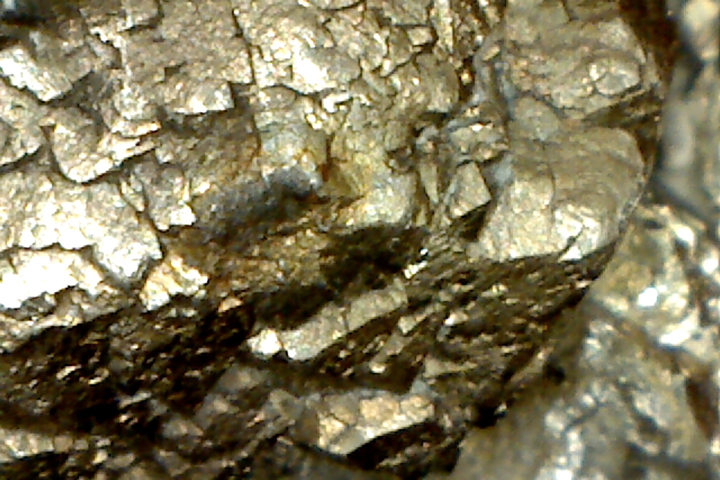
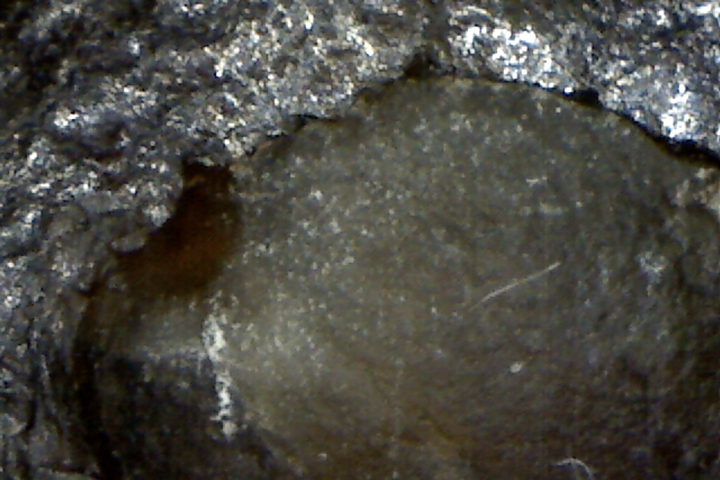
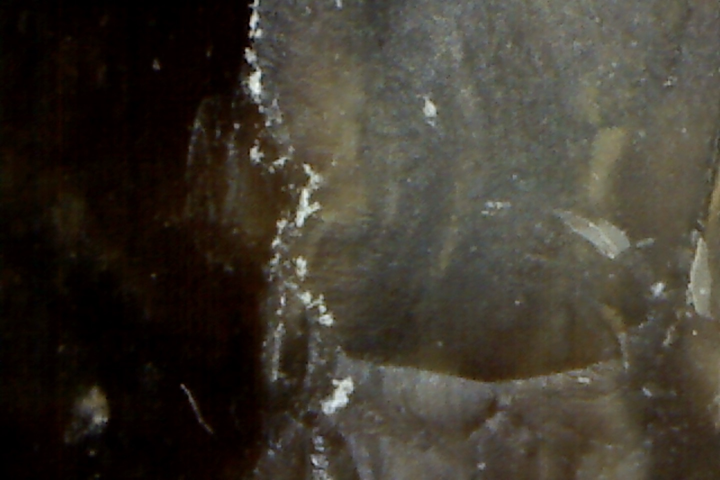
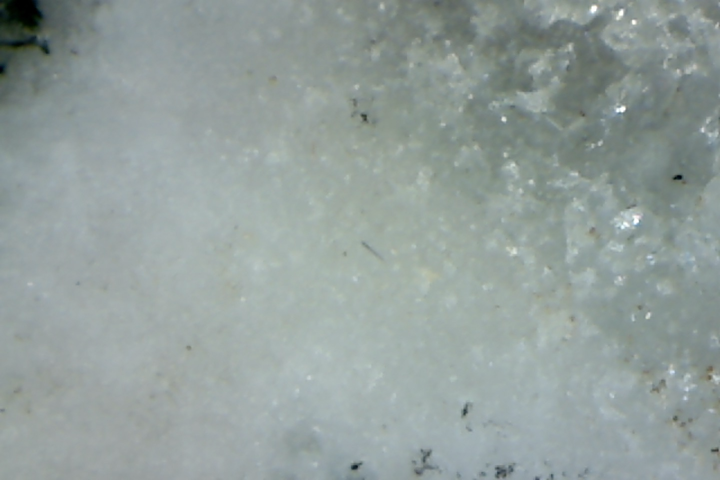
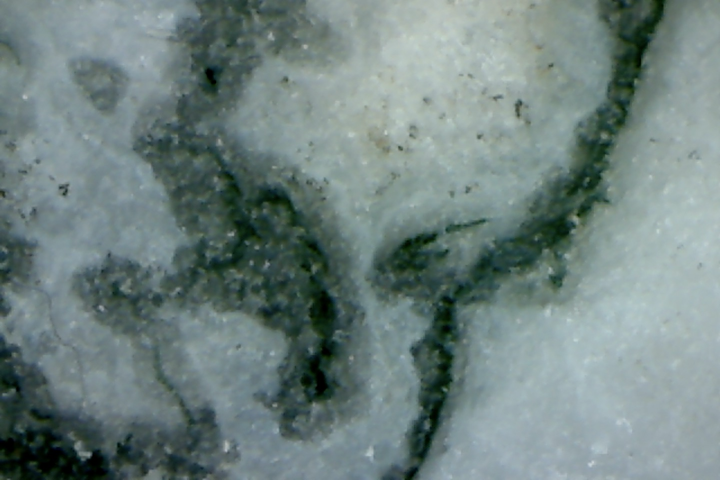
The short videos are also taken with a proscope. The are the same as pictures at 50x only the proscope adds a little movement.
- The videos can be played at .5 speed to see better (Click the >> to change speed)
- They can also be paused to view, but when paused the image dims.
- Hopefully you can find your own samples to explore.
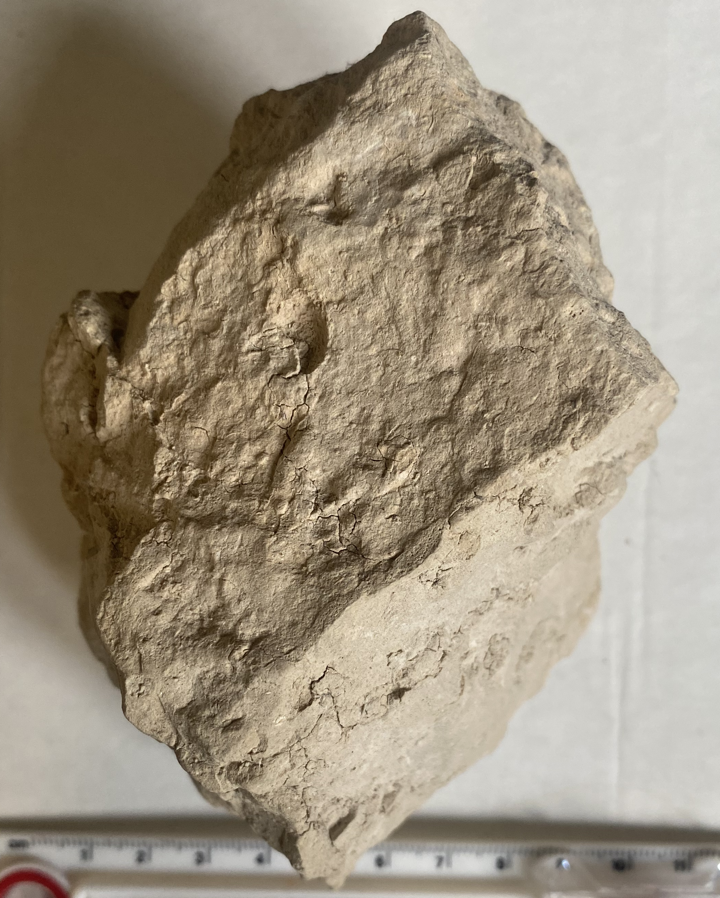
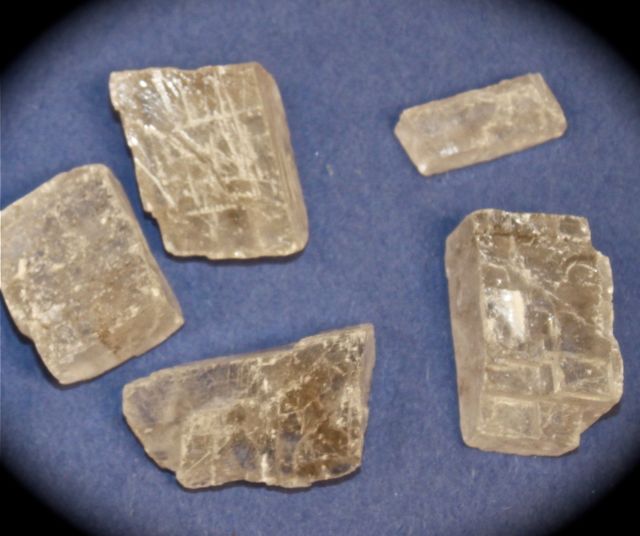
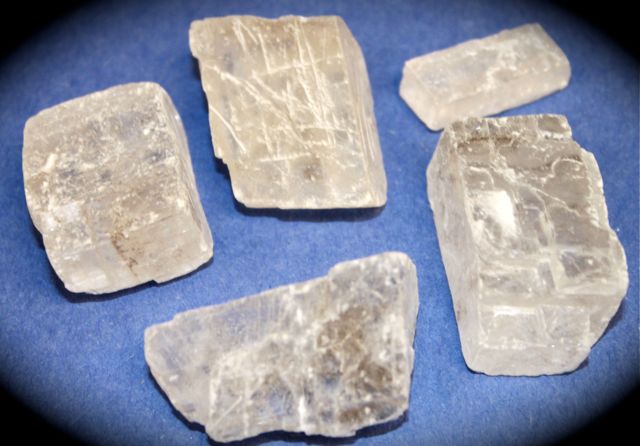
- Notice the grains of sand in the red and black sandstone compared to the smooth surface in the calcite and the size of particles in the Mudstones from clay, sand, and maybe some gravel.
Clay
People often call clay a mineral, however, as dug from the ground it is a rock or soil, not a single mineral. More precisely, a rock or soil composed of multiple minerals in a natural, fine-grained earthy material mix.
Clay as a mineral is composed of a group of distinct microscopic clay minerals mainly composed of microscopic hydrated aluminum silicate minerals (such as kaolinite (used for fine porcelain), illite, smectite, and bentonite (used in drilling and wastewater management)). Technically it is defined by grain size rather than chemical composition, clay particles are microscopic, measuring less than 0.004 mm. Under a microscope, they look like tiny flat plates that slide over each other. Because of this flat shape and electrical charges, clay particles bind tightly with water, allowing the material to be shaped without cracking.
It is highly moldable (plastic like) when wet, but heated in a kiln (fired), clay undergoes a chemical change where the particles fuse together, turning it into a hard, durable, and often waterproof substance. permanently hardens when dried and fired at high temperatures, m
This makes
it a foundational material for pottery, ceramics, bricks, and construction. Beyond traditional arts and crafts, clay plays a vital role in various fields. .
Clay is found in all three major rock types in the geological cycle:
- Sedimentary (Most Common): Clay is the primary ingredient in sedimentary rocks like shale, mudstone, and siltstone. It forms when weathered particles settle in calm water (like lakes or oceans) and compact over millions of years.
- Igneous (The Origin): Clay minerals are created when primary minerals in igneous rocks, specifically feldspar in granite, are chemically weathered and broken down by water and acid rain.
- Metamorphic (The Transformation): When sedimentary clay rocks (like shale) are subjected to intense heat and pressure, they metamorphose into new rocks like slate, phyllite, schist, and gneiss
Sedementary rocks
Sedimentary rock overview
These rocks are made from tiny pieces of sand, pebbles, shells, and mud that pile up over time and get pressed together.
- Texture & Feel - Grainy, crumbly, gritty (like sandpaper), or feels soft, smooth, and powdery.
- Patterns - Distinct stripes, bands, or visible layers of different colored particles on top of each other.
- Special Clues - These are the only rocks that can have fossils!
- Examples - Sandstone, Chalk, and Limestone.
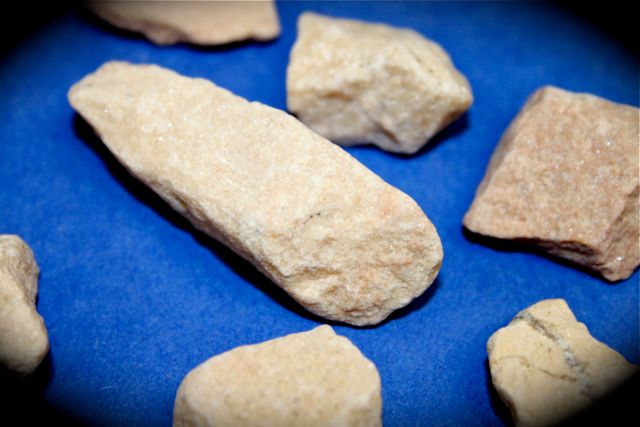
Sandstone
Sand grains are rounded or sub-angular with tiny empty spaces between them that make the rock porous. With light they look dull and sugary.
Mudstone
 |
 |
Calcite
 |
 |
Quartz
Chalcedony, raw, pure form of microcrystalline Quartz - mineral
- Scratch test - iron knife won't scratch it.
- I think I see fine wave like layers made with seasonal actions
- It is semi-transparent, light will not pass through the middle.
- While most sides are flat smooth. there is a place with smooth bumps like rounded sand (botryoidal (grape-like) texture (center pictue below). I think it might be the original outer surface of the mineral formation before it was broken.

 |
 |
Igneous rocks
Igneous rock overview
These rocks form when hot, melted rock (magma or lava) cools down and hardens.
- Texture & Feel: Can either be very smooth and glassy, or rough with visible, sparkling crystals.
- Patterns: No layers. They look uniform or have randomly scattered speckles.
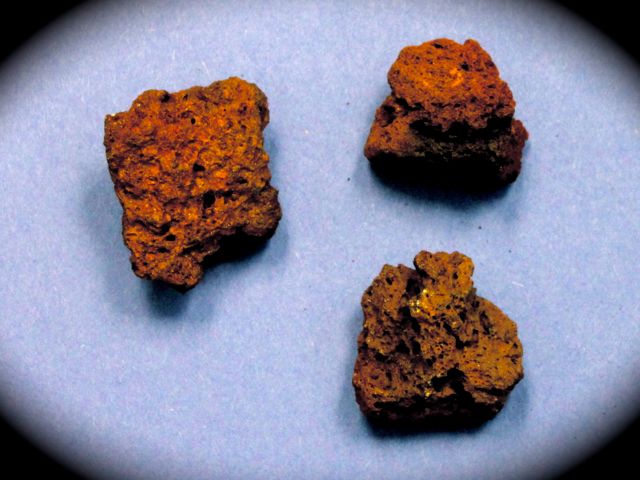
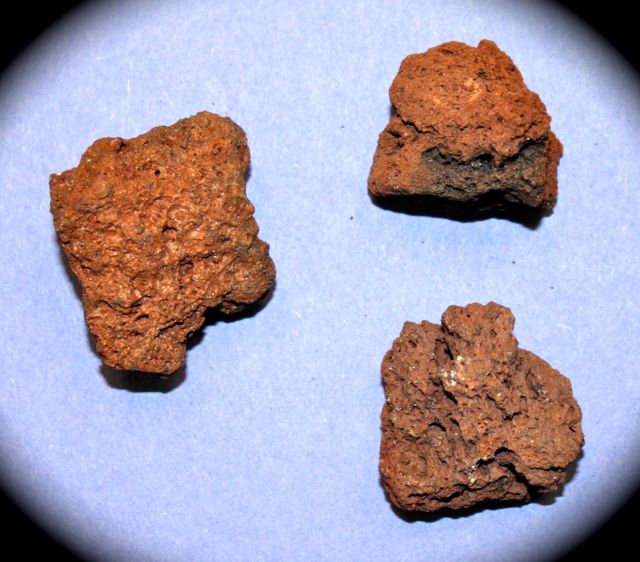
- Special Clues: They might have tiny holes or air bubbles trapped inside when the lava cooled quickly.
- Some are so light they can even float on water!
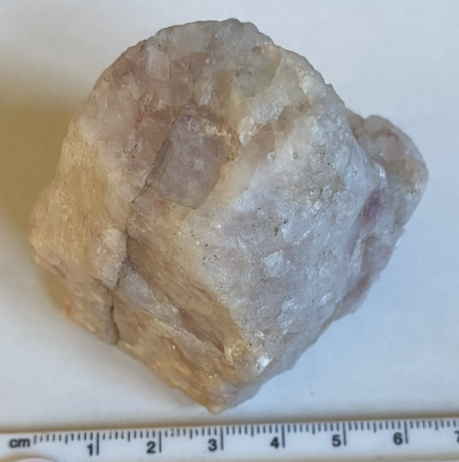
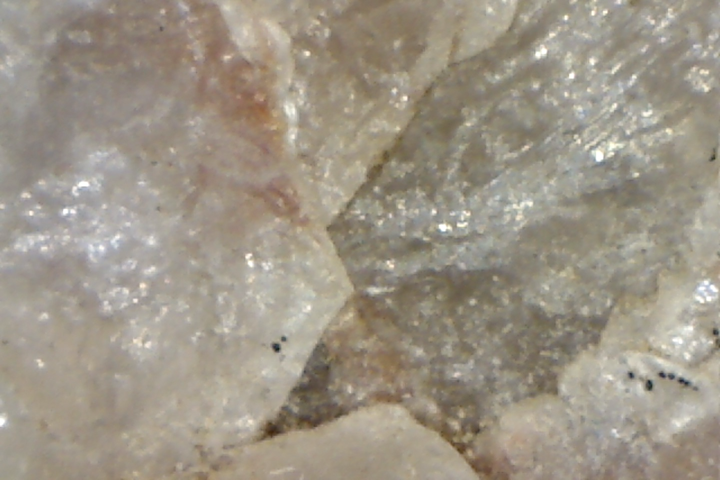
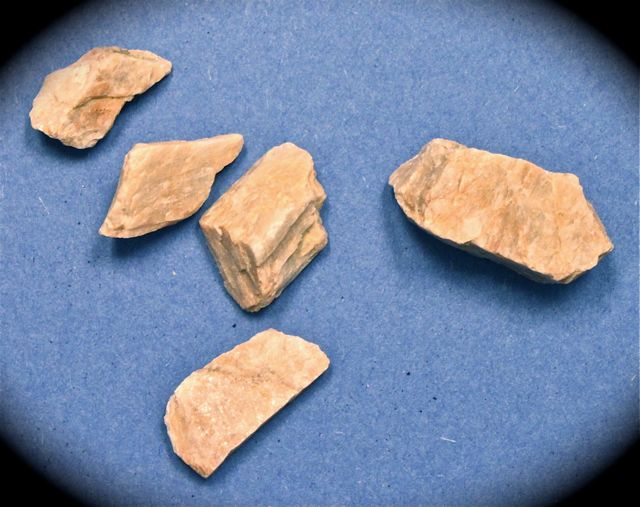
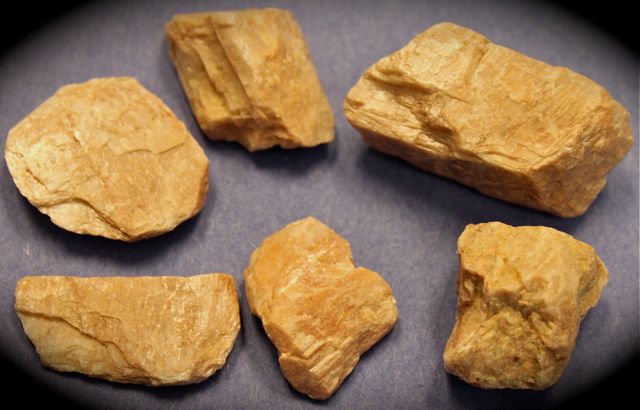
- Examples: Granite, obsidian, pink feldspar, and pumice.
Glass and rocks
Glass
Manufactured glass is perfectly blended, uniform throughout, both in its chemical makeup and its physical state with no visible structure, metamorphic rocks are usually complex mixtures of several different minerals and structured in two ways.
True Glassy Rocks
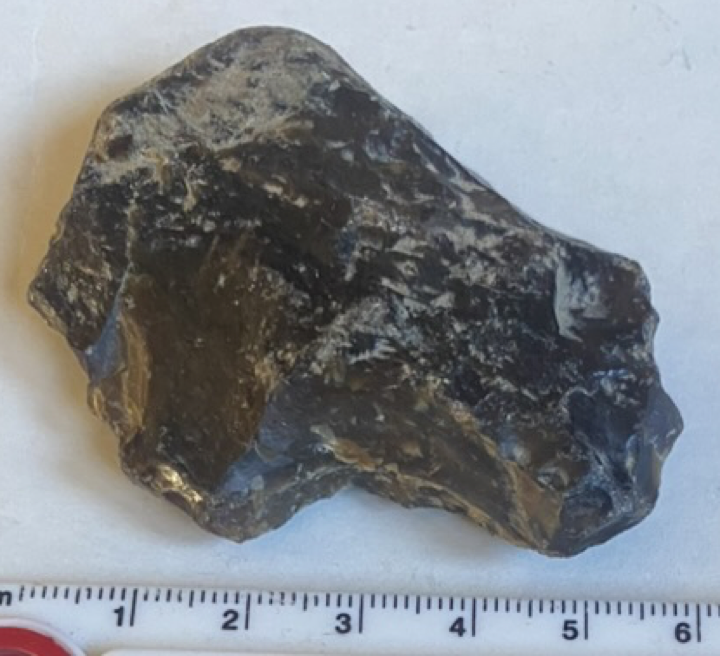
If you are looking for a rock that actually has uniform, non-crystalline materials like manufactured glass, you have to look at the igneous rock cycle.When silica-rich lava erupts into the freezing air or ocean water, it cools so fast that crystals don't have time to form at all. This instant freezing creates obsidian (natural volcanic glass), which is the only rock type that truly matches the uniform texture of manufactured glass.
Lava

 |
 |
 |
 |
Pocket Pegmatite with Mica
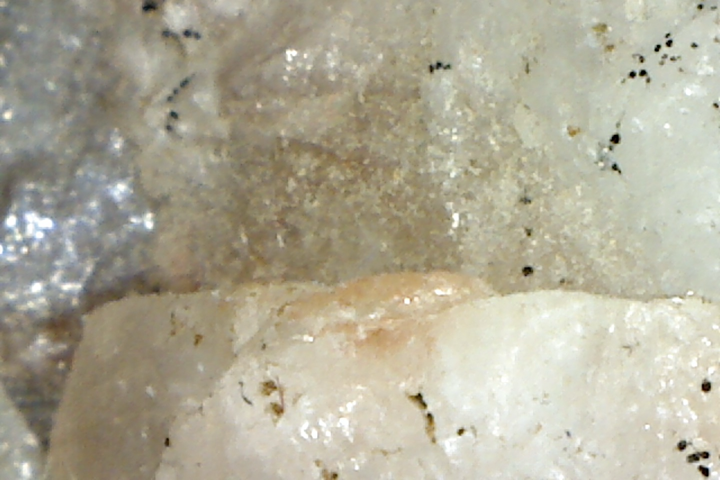
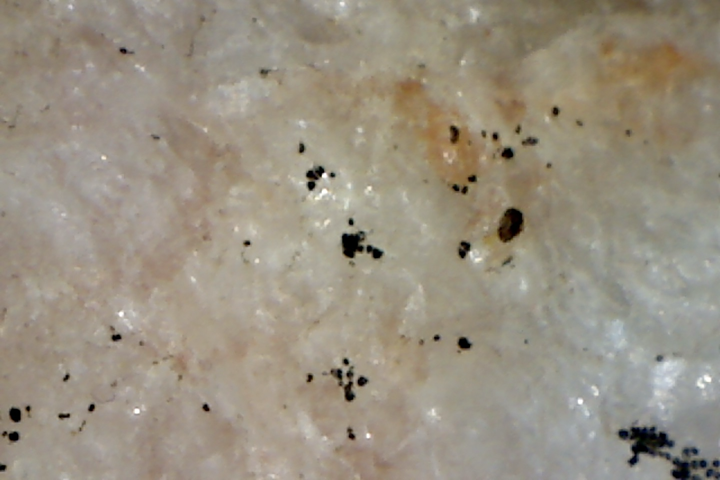
- The pinkish-brown color i believe is a mineral called K-Feldspar (potassium feldspar). I couldn't get the picture to be pinkish like it really is.
- I think the crystals are quartz.
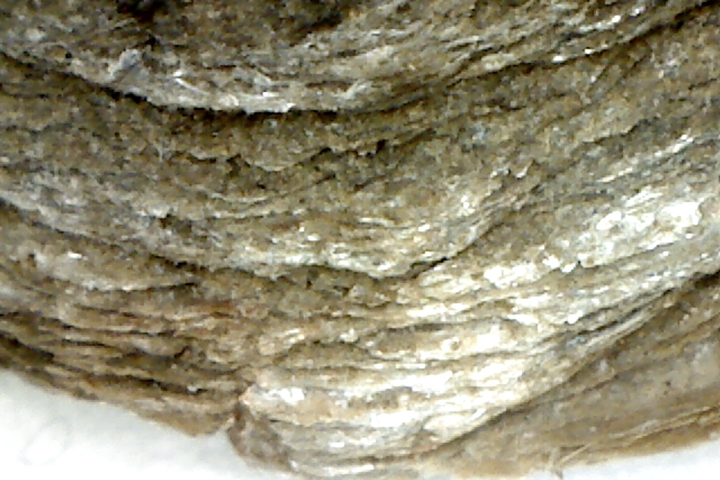
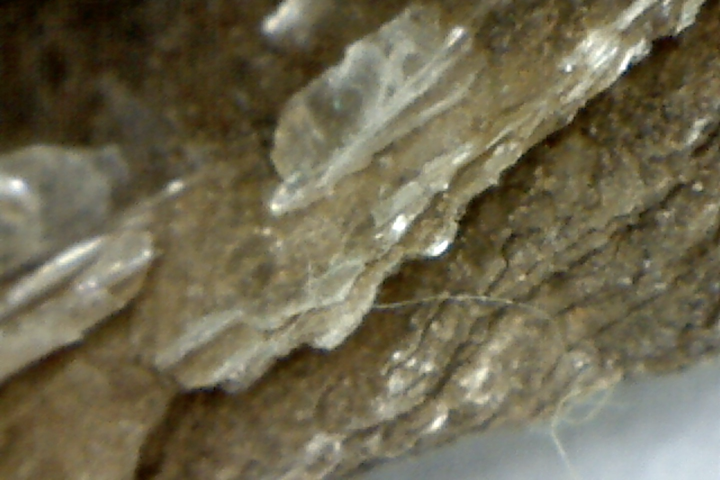
- Mica, since mica arranges in flat, parallel layers. Because its chemical bonds are very weak between layers you can easily peel mica apart with your fingernail into sheets thinner than paper. Mick if inahaled is an irritant.
- It looks and feels fragile or crumbly nature because of its history.
- It begins when it forms after magma cools underground. Inside the openings (called vugs or pockets) inside hardened rock formed by the escaping of gases (See lava). Then quartz and mica grows into the fluid-filled spaces where they have the freedom to grow.
- Why they are fragile or crumbly nature is due to later weathering. The feldspar (the brownish-pink part) is susceptible to rain and groundwater erosion over millions of years. Water slowly reacts with the feldspar, chemically converting the hard rock into a soft, chalky clay mineral called kaolinite. As the pink feldspar rots away into clay, it loses its glue like quality on the quartz and mica, making the whole rock brittle and ready to crumble if struck.
- Other igneous rocks like granite, with very bright silvery flecks are probably looking at tiny flakes of mica.

 |
 |
 |
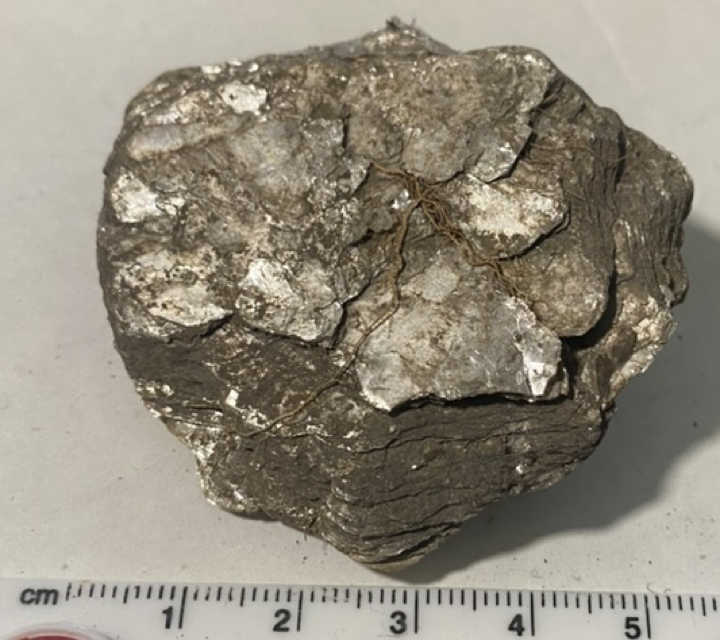
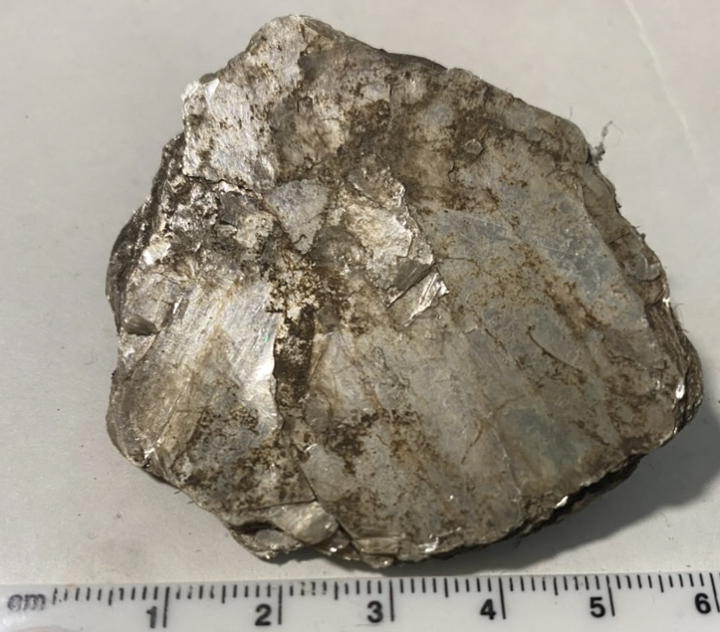
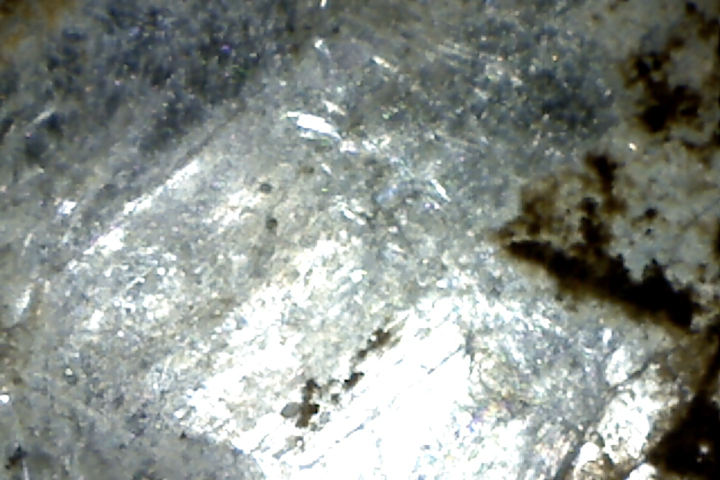
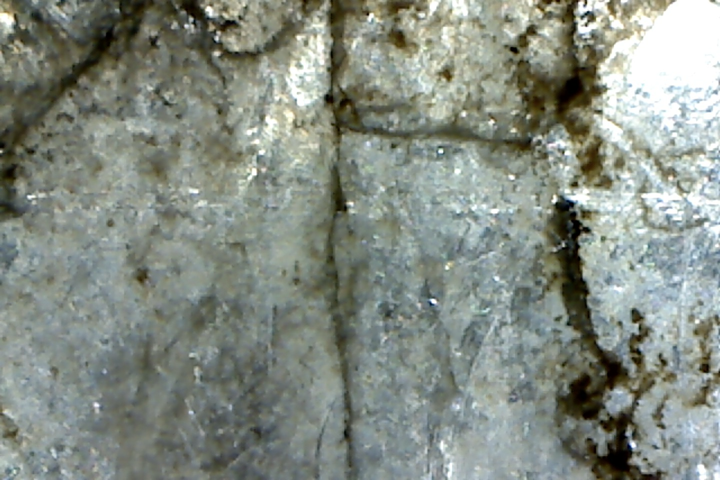
Pegmatite musk0vite - mica
Muscovite, a mineral, is a clear, silvery variety of mica.
It is potassium-rich aluminum silicate mineral
.Historically, it was used as window glass, known as Muscovy glass, because it is clear and highly heat-resistant.
This rock type is igneous (Pegmatite).
Mica sheets this large and distinct only form in a specialized igneous rock called a pegmatite. Pegmatites form at the end magma cooling. High water content in the magma allows crystals to grow very large very quickly.
 |
 |
 |
 |
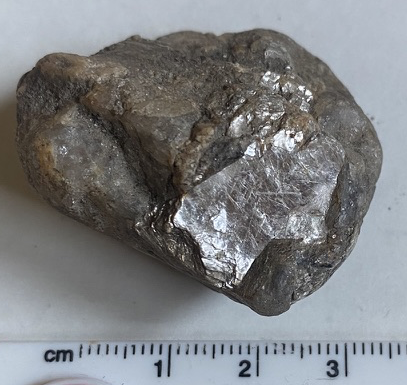
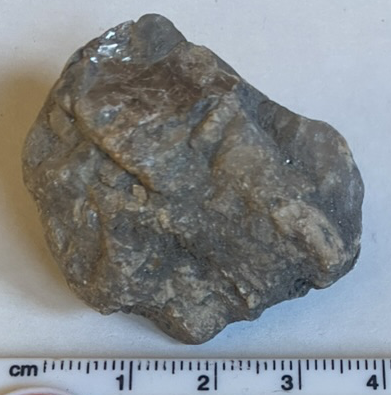
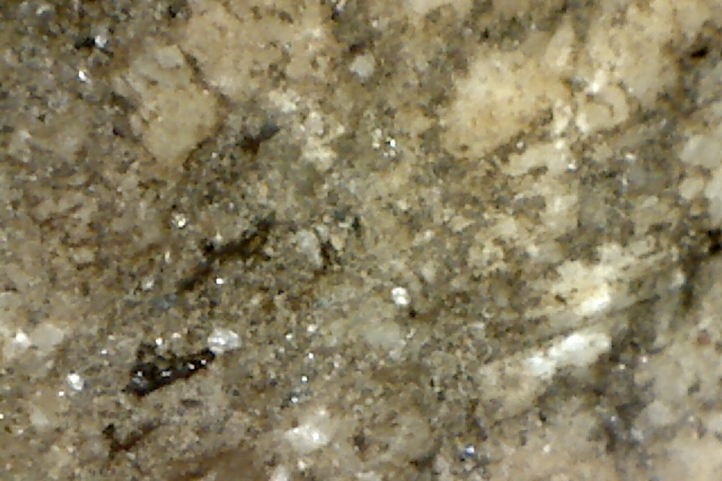
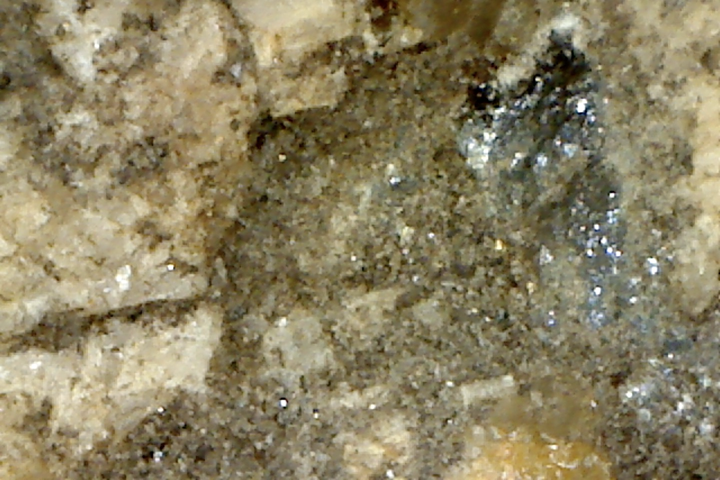
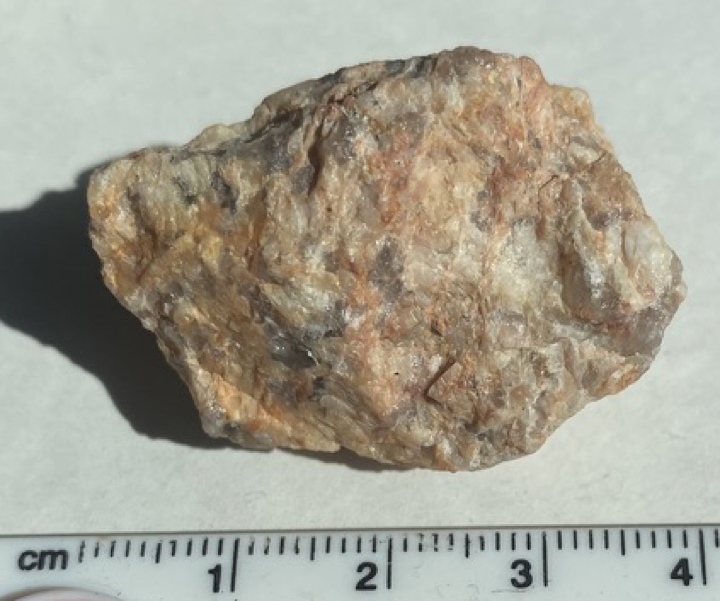
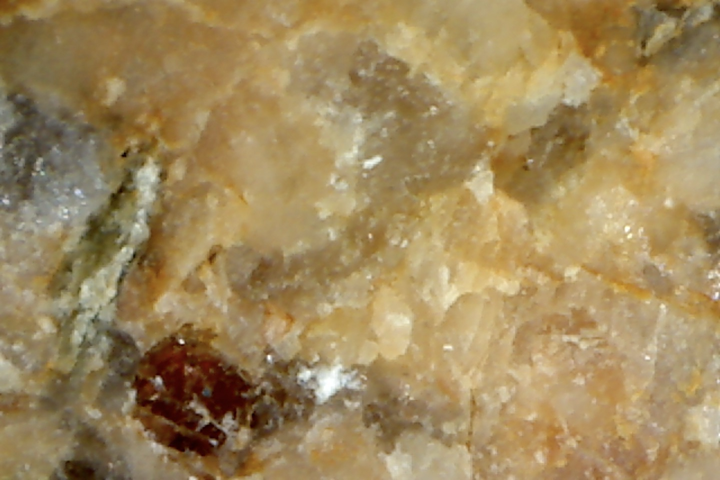
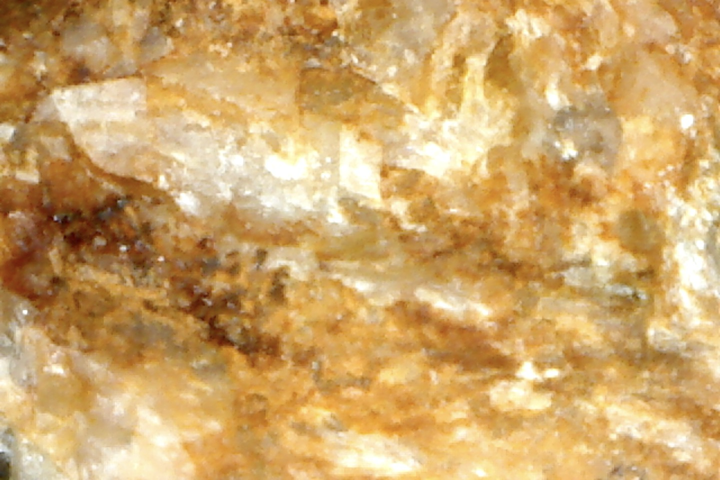
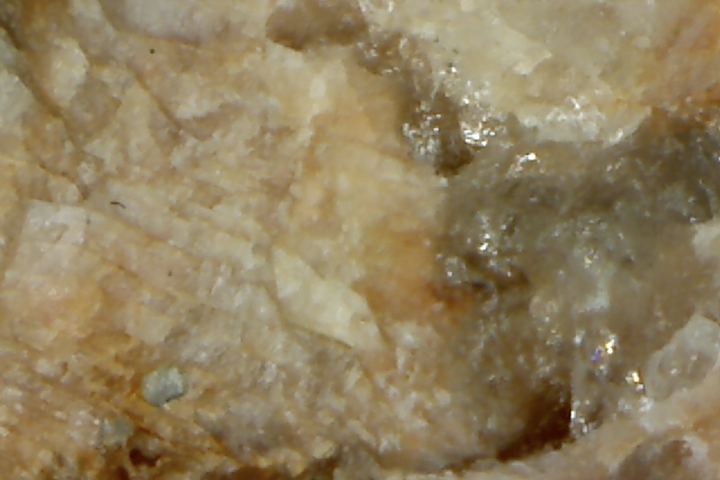
Granitic Pegmatite with pink feldspar & mica
A coarse-grained igneous rock that cooled slowly deep underground.The pink color comes from the dominant potassium feldspar, mixed with the mica and garnet.
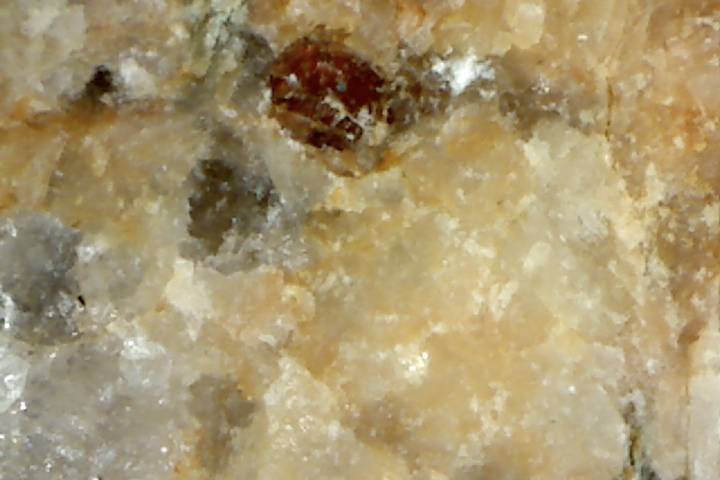
Garnet is the brown mineral - Almandine Garnet. It is the most common type of garnet found in pegmatite rocks.It typically forms in iron-rich magmas and looks dark brown to deep reddish-black.
The rounded shape is due to natural erosion, as garnet resists scratching but its edges break and round off when tumbled in streams or soil.
 |
 |
 |
 |
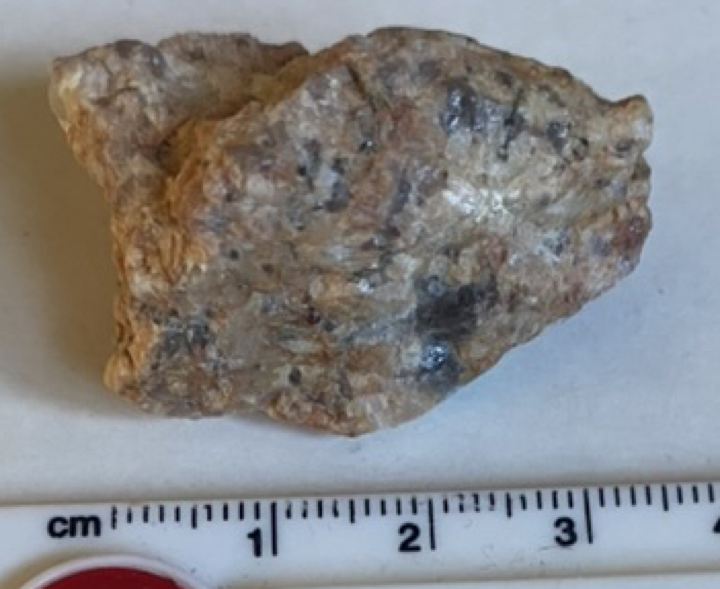
Granite
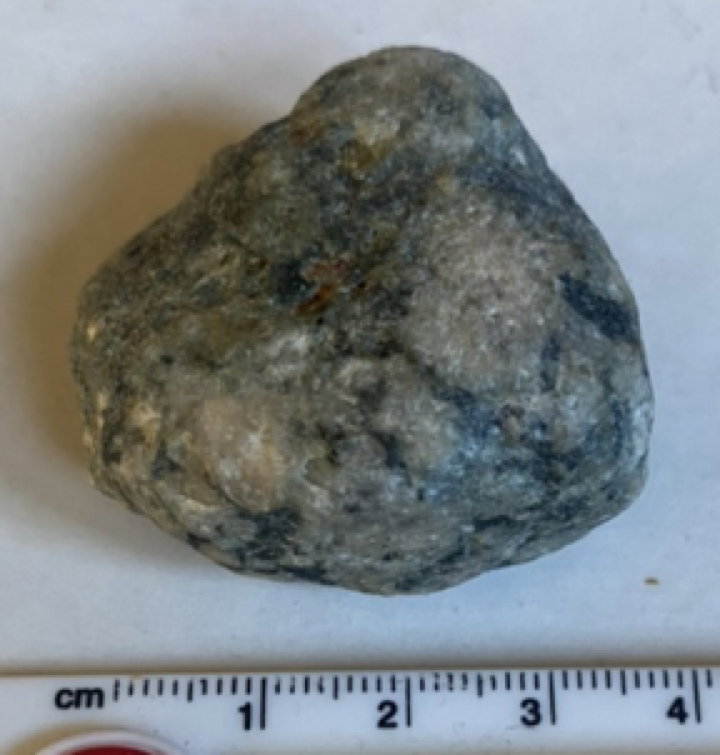
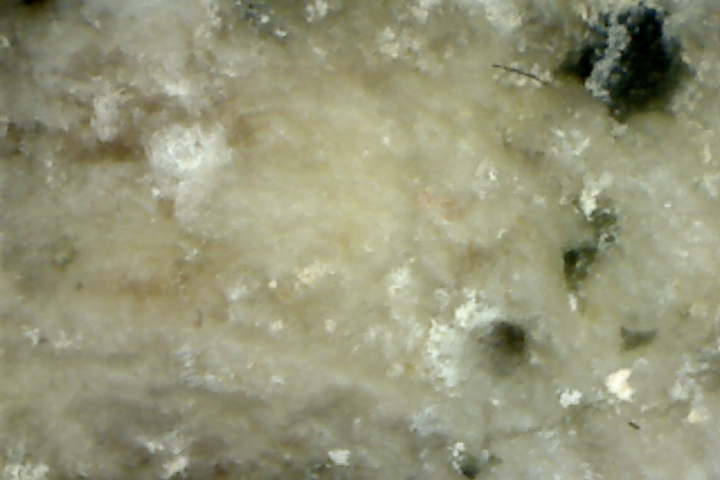
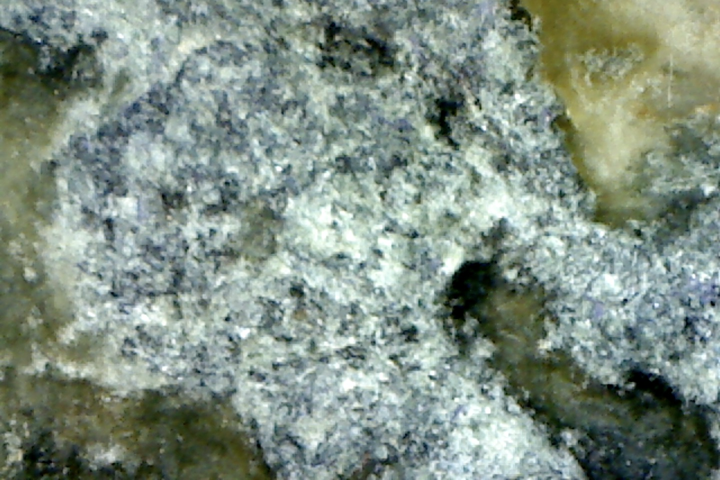
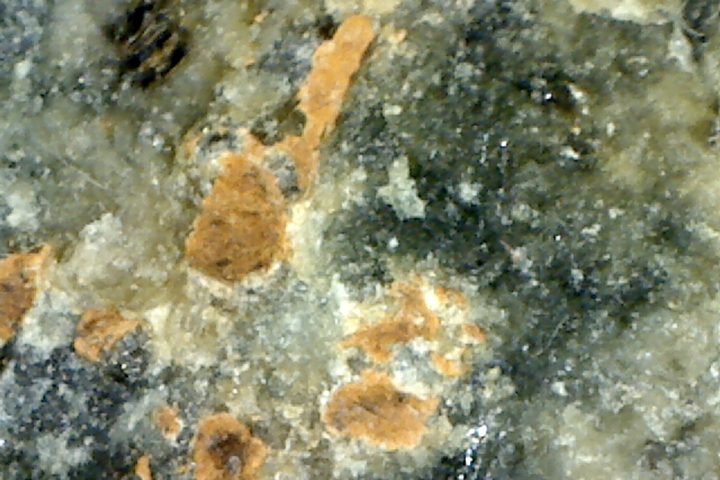
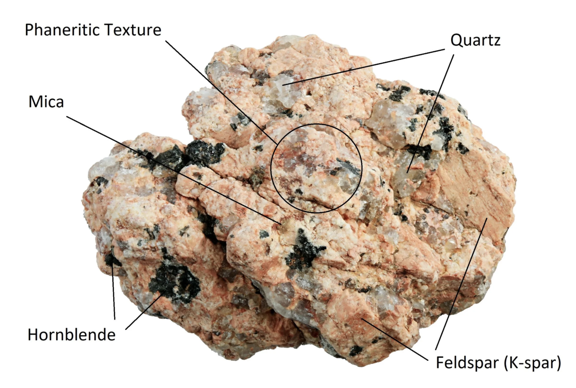
Granite is speckled with a mix of distinct minerals. It has large blocks of pink and white feldspar with black flecks and tiny shiny flakes of biotite mica scattered throughout that give it flashes of light reflected of off flat crystal faces. Its grains shapes interlock and grow together crystals with no space between minerals.

 |
 |
 |
 |

 |
 |
 |
 |
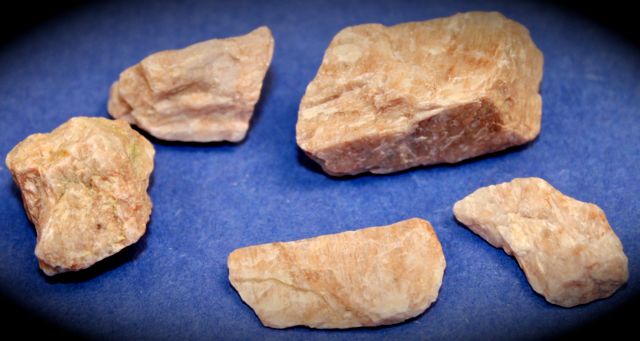
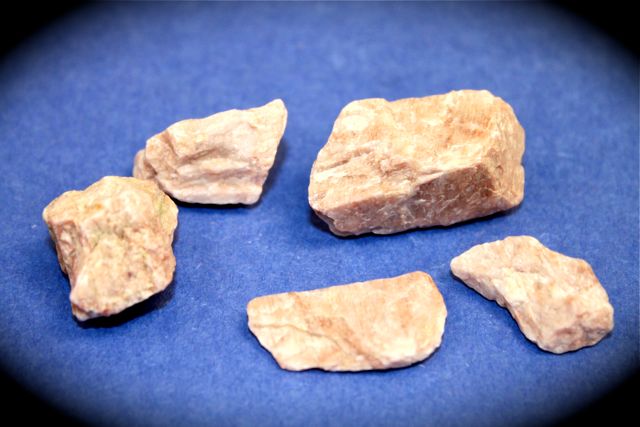
Pink Feldspar
 |
 |
 |
 |
 |
 |
 |
 |
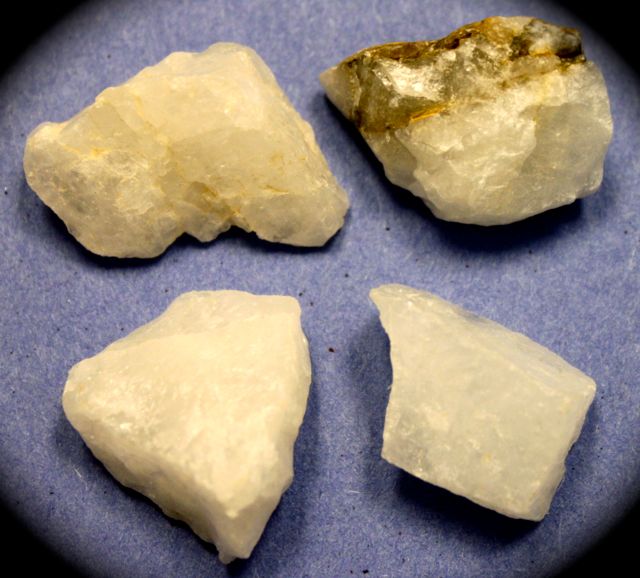
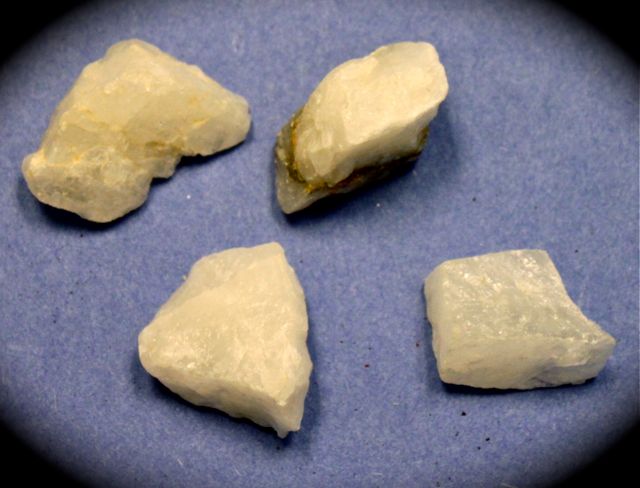
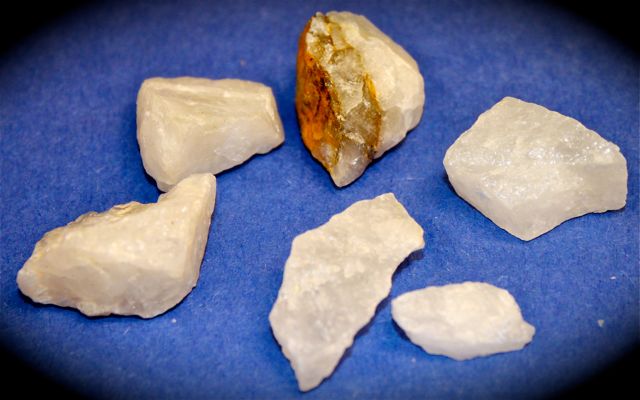
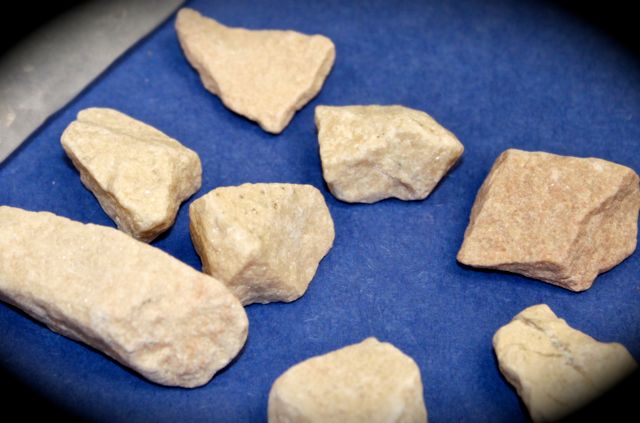
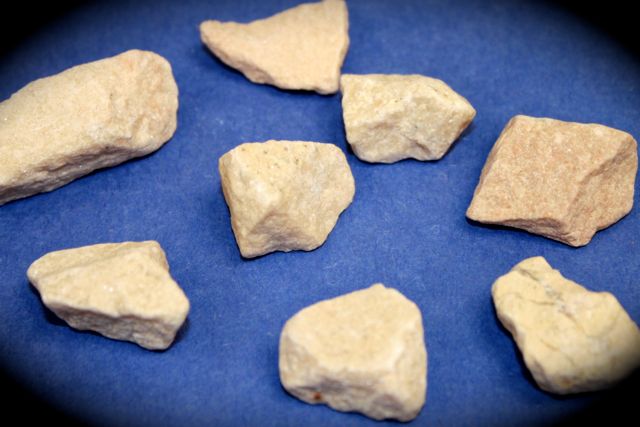
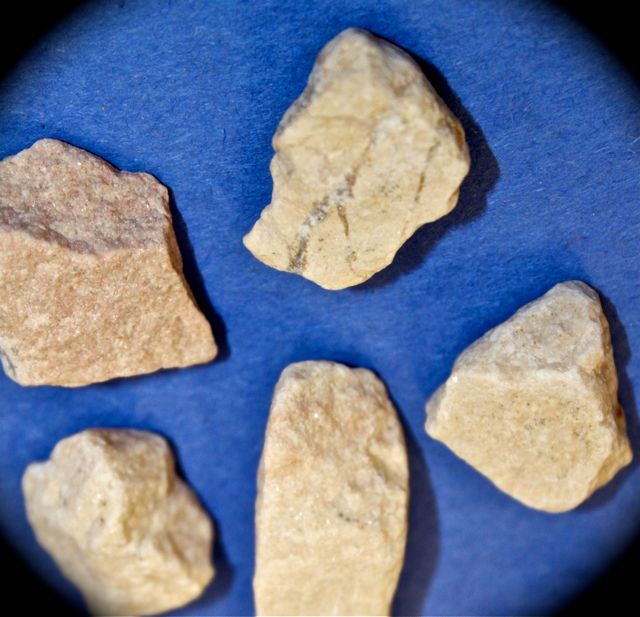
Quartz
 |
 |
 |
 |
 |
 |
 |
 |
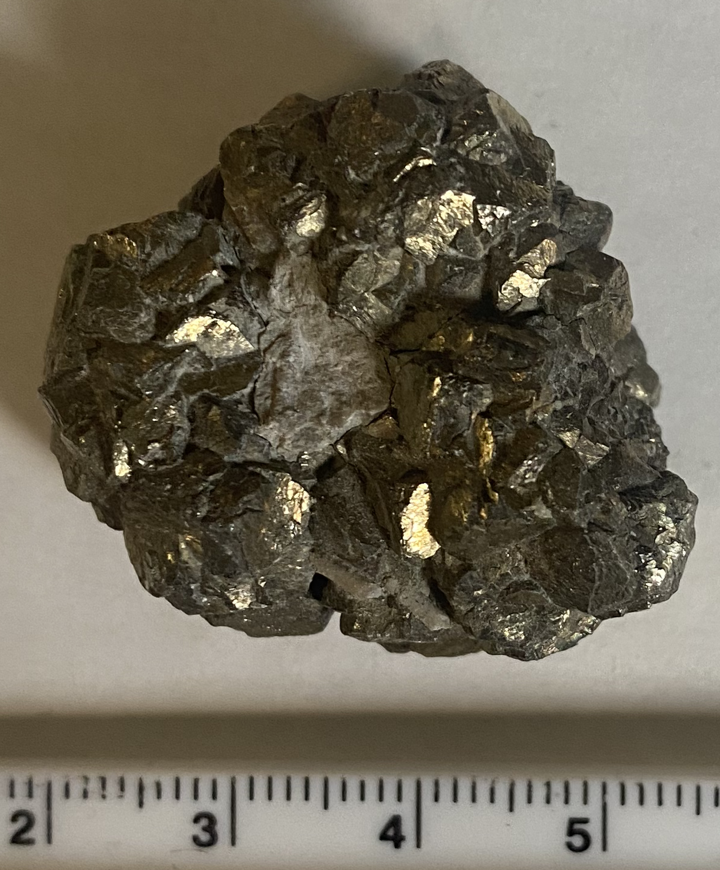
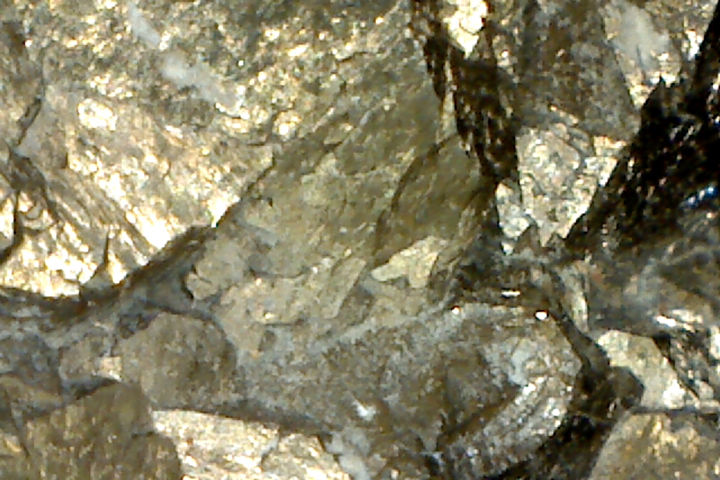
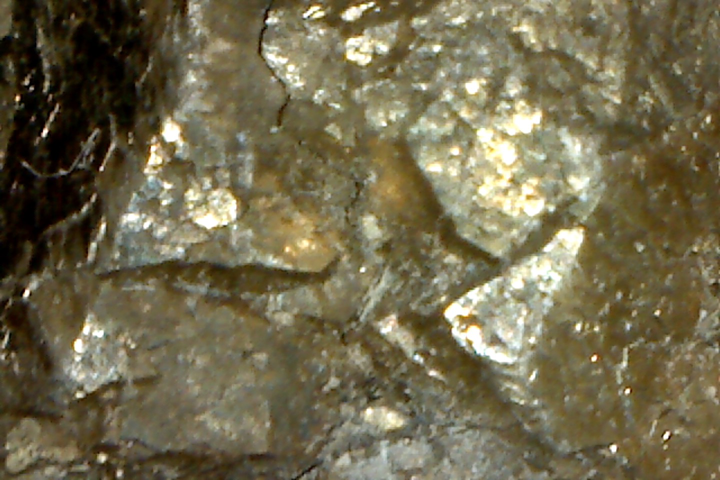
Iron pyrite
 |
 |
 |
 |
Obsidian

 |
 |
 |
 |
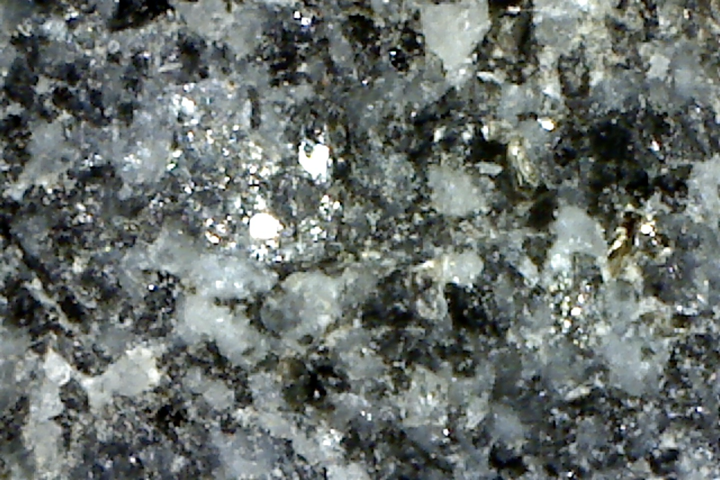
Gabbro
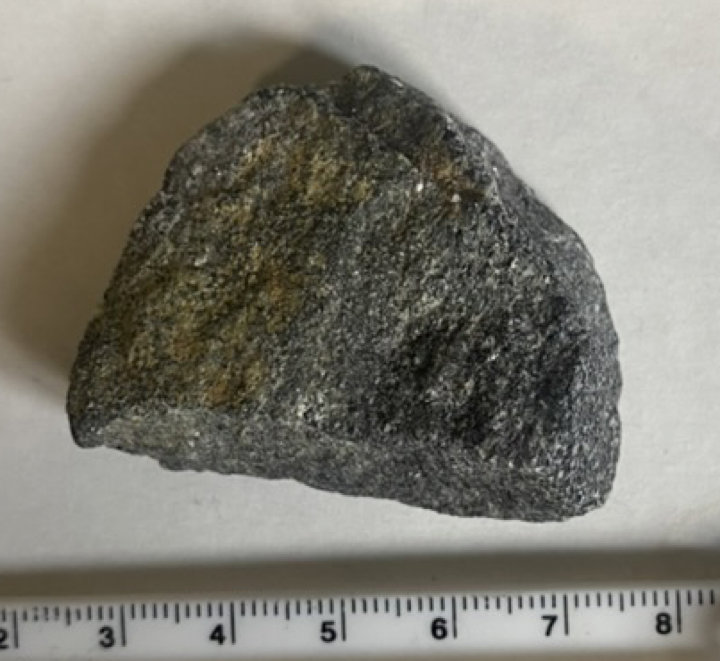
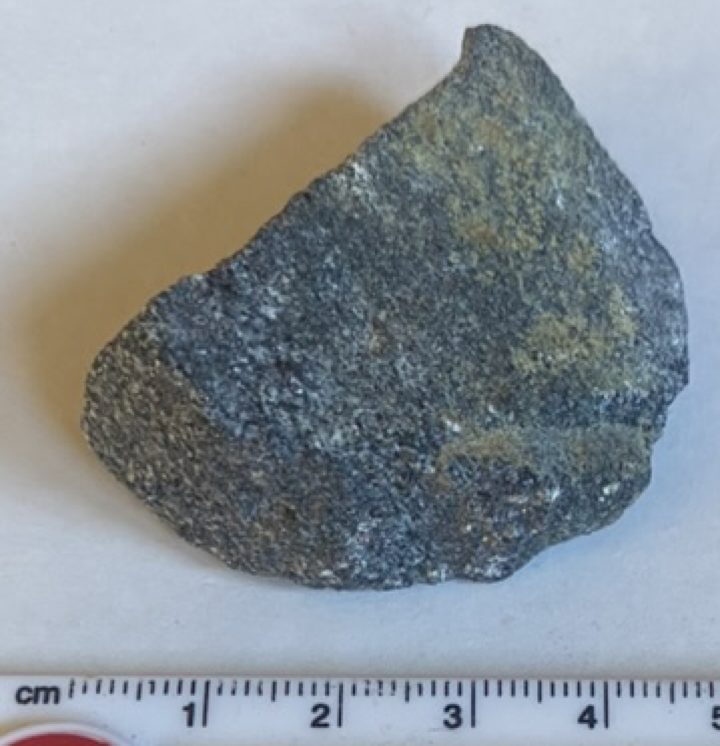
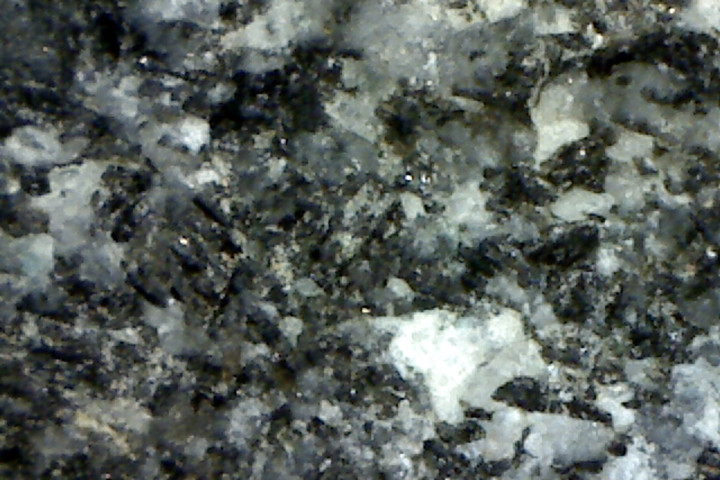
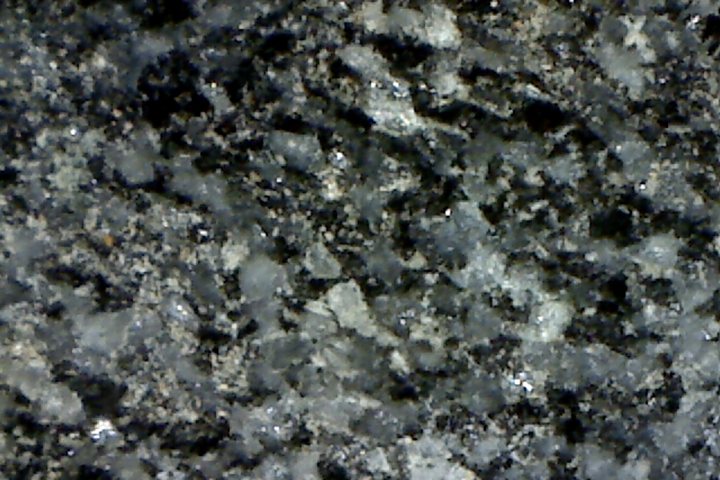
Grains are rounded or sub-angular sand grains with very tiny empty spaces visible under a lens that make it feel porous. Overall it is dull with bright pinpoints of light when they are caught in light. Probably tough pyroxene or feldspar crystals.
Pyroxene crystals cleave (break) along perfectly flat, smooth planes so when light hits these hard, flat faces, they flash like mirrors, but they will not peel apart like mica (sheets of paper).
The Dark Base is primarily made of dark calcium-rich feldspar and pyroxene.
Gabbro is a very tough, dense rock born deep in the Earth's crust. Because it is so hard, chunks of it can survive being tumbled for miles down a river without disintegrating into sand.
 |
 |
 |
 |
Metamorphic
Metamorphic rock overview
These rocks start out as igneous or sedimentary rocks, but get squished and cooked deep underground by the Earth's heat and pressure. Results in fairly mixed materials.
- Texture & Feel: Very dense, heavy, and hard. They often feel very smooth to the touch.
- Patterns: Twisted, ribbon-like, or wavy lines. Sometimes they feature shiny, interlocking crystals.
- Special Clues: They generally do not contain fossils because the intense heat destroys them.
- Examples: Marble, slate, gneiss, schist, talc
Types of metamorphic rocks
1. Layered or foliated structure
Layer rocks are the most famous metamorphic rocks have bands that repeat. When a messy mix of mud, clay, and minerals is squeezed by tectonic pressure, the minerals align themselves in flat, parallel sheets.
The Result: Instead of a uniform look, you see distinct bands, stripes, or flaky layers.
Examples: Schist sparkles with uneven flakes of mica, and gneiss shows dramatic, zebra-like bands of dark and light minerals seperated by the intense pressure.
2. Porphyroblasts or Chocolate Chip structure
Porphyroblasts are large, well-formed crystals that grow inside a finer-grained matrix as the rock is baked.
The Result: A highly uneven texture where large, distinct crystals (like deep-red garnets or blade-like staurolite) stick out from a background of completely different minerals.
3. Not structured or Non-Foliated Rocks
A few metamorphic rocks that look fairly uniform, only because of their starting ingredients, not because they are made the way that glass is manufactured.
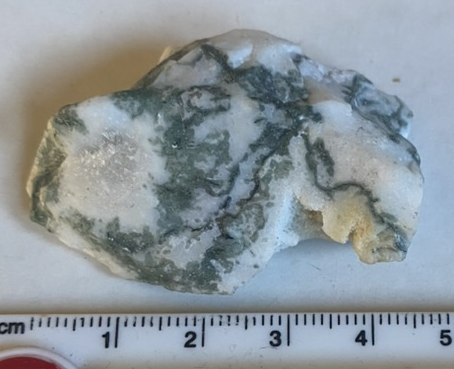
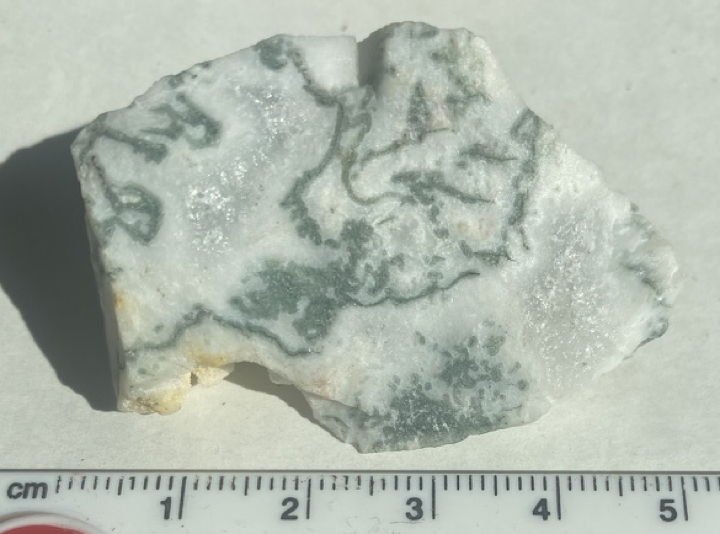
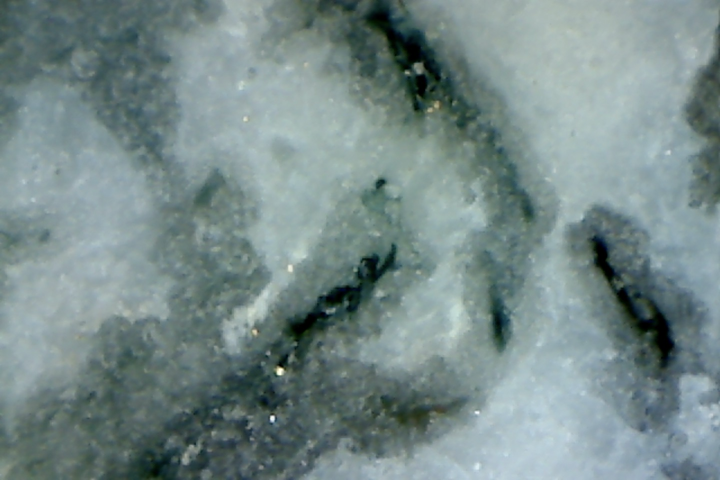
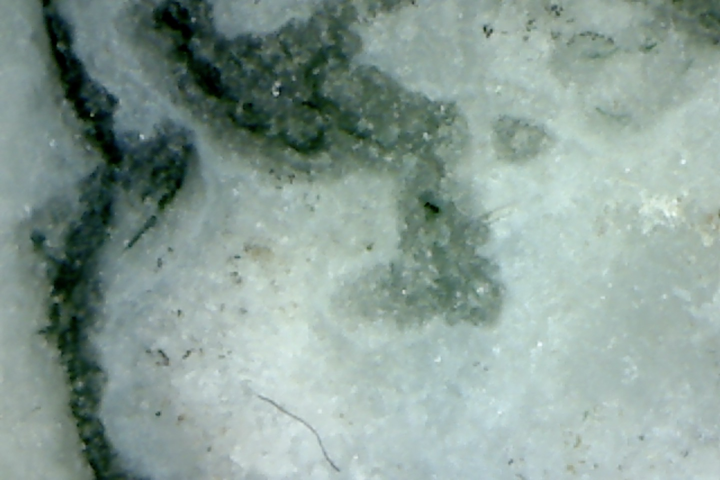
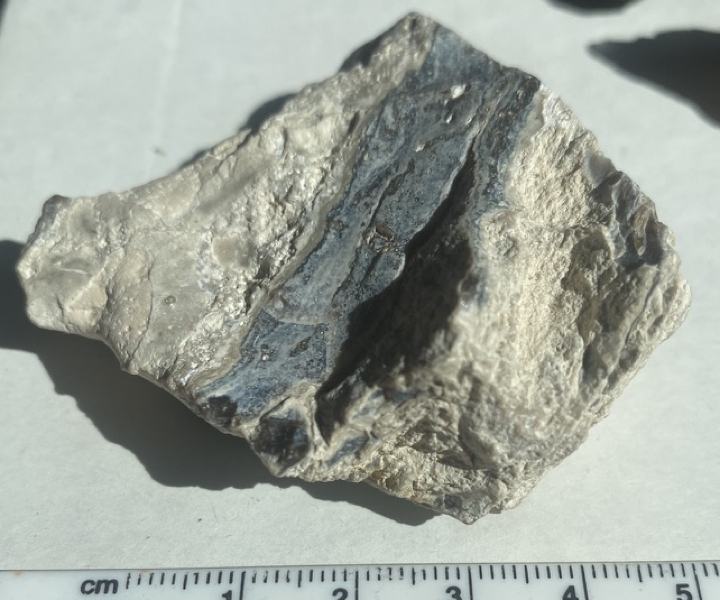
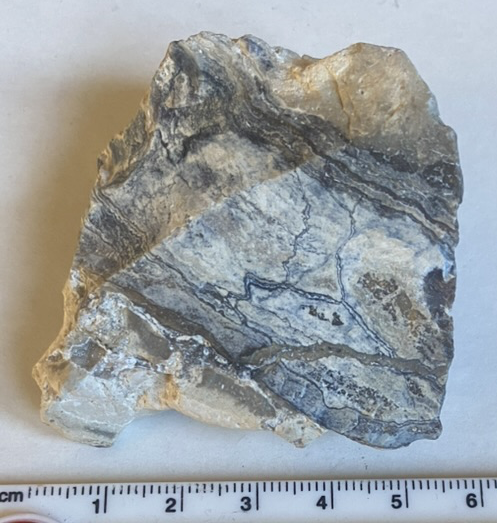
Marble: Forms when pure limestone (made only of calcite) is baked. The resulting marble is mostly uniform in composition, but it still consists of visible, interlocking crystalline grains, not a smooth glass structure.
Quartzite: Forms from pure quartz sandstone. It looks like a solid, uniform block of quartz, but under a lens, you can see welded boundaries of the original sand grains.
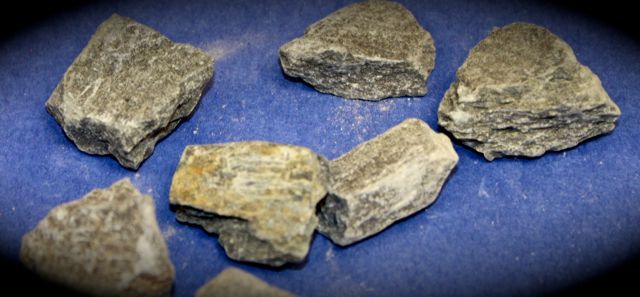
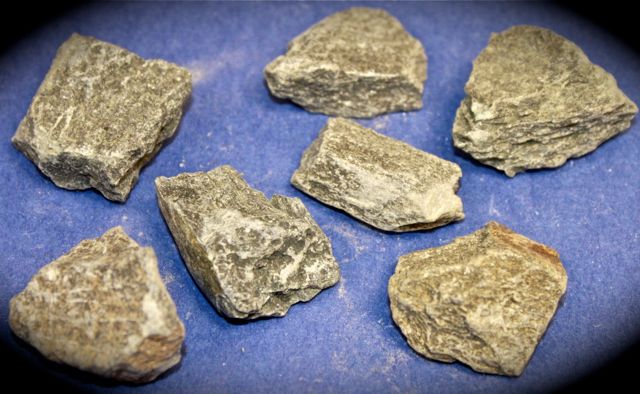
Talc
Igneous rocks like peridotite or sedimentary rocks like dolomite, which are rich in magnesium becomes talc when hot water chemically destroys the original minerals and rearranges the magnesium, silica, and water molecules into flat, microscopic layers.
This layered atomic structure is what makes talc feel incredibly greasy and soft enough to scratch with your fingernail.
 |
 |
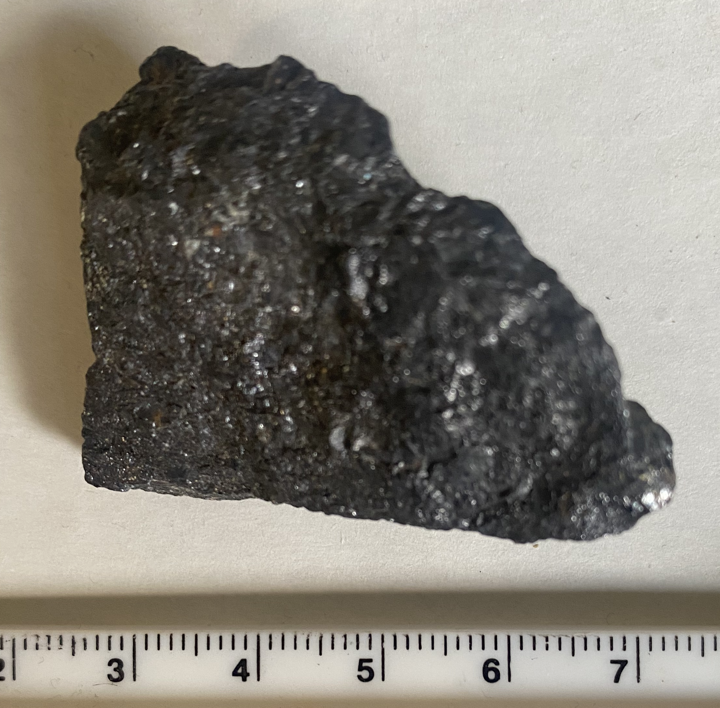
Ferromagnetic - Magnetite
Ferromagnetic means it is attracted to a magnet, but not magnetic.
- It is heavier than most rocks.
- Standard rocks have a specific gravity of around 2.5 to 2.7.
- Magnetite has a specific gravity of over 5.
- Since a magnet snaps onto it is has a very high concentration of dense, heavy iron-oxide minerals (magnetite or ilmenite).
- Notice the Slab-Like Chunks in the 50x magnification. magnification, They are crystalline mineral structures of a metamorphic schist or amphibolite that were flattened into parallel layers or slab-like blocks with intense pressure.
- The deep black color comes from either amphibole (hornblende) or biotite mica, both iron-rich minerals that form blocky, dark crystals under pressure.
- The sparkles could be mica or quartz.
- The sparkles you see with the naked eye are highly likely biotite (black mica) or muscovite (white mica) flakes. In a metamorphic schist, flat mica plates grow parallel to each other. So when you tilt the rock, they all reflect light at the same time like tiny mirrors.
- It likely started its life billions of years ago as a dark, volcanic iron-rich mud or basalt at the bottom of an ocean. Tectonic plates crashed together, burying it miles deep where intense heat and squeezing transformed the messy mud into a beautifully crystallized, heavy, sparkling, slab-blocked rock.
 |
|
 |

Marble
Marble
 |
 |
 |
 |
|
|
|
|
Fossils
Fossils are created when the remains of an organism are replace with earth materials and leave an impression of athe prehistoric organism preserved in petrified form that looks like it was molded or cast in rock
Petrified wood


 |
 |
 |
Bone - sample


Wood or bone?
Tongue test
When touching the rough interior part of the stone to the tip of your tongue it slightly sticks to your tongue, meaning it is almost certainly fossil bone. The porous structure will instantly wick a tiny bit of moisture away from your taste buds.
Petrified wood will not stick.
If it were a 100-million-year-old dinosaur bone from Eastern Nebraska's Dakota sandstone, The heavily stained a deep, dark rusty-red or espresso brown could be from iron oxides.
The clinking sound is from deposits rich in silica. Groundwater can dissolve the silica out of ash and carry it into the buried bone. Over millennia, the quartz-rich groundwater perfectly replaced the animal's organic tissue with chalcedony, agate, or chert. Causing to to ring like china when struck.
 |
 |
 |
 |
 |
Bone - another sample


The light, creamy tan color means it was shielded from heavy iron staining, likely resting inside deep, clean river gravels or sand pits.
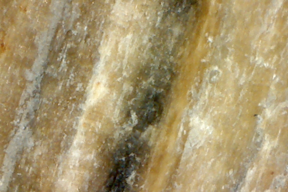
A bone chunk thick enough to show a curved outer wall and a rough interior, means it is a piece of a large limb or rib bone from a massive Pleistocene mammal.Maybe an Ancient Bison (which were much larger than modern bison), an Ice Age Camel, a Prehistoric Horse, or even a fragment from a Mammoth or Mastodon.
 |
 |
 |
 |